Medina Azahara is not in Córdoba proper, and it is not a stop you can tack onto a walk through the Judería. The ruined caliphal city sits out in open country to the west, and getting there takes a plan, even a small one. None of it is complicated, but a surprising number of visitors turn up at the wrong building, miss the one bus of the day they'd mentally budgeted for, or drive straight past the entrance because they expected to see the ruins from the road. Here is what actually happens.
The site museum comes first, whether you like it or not
This is the detail that trips people up most. Medina Azahara's visitor center and museum sit at the bottom of a hill, well short of the archaeological site itself, and everyone passes through it before going up. It's not an optional add-on: it's where you pick up any timed access to the ruins, and the only place to park a private car. You cannot drive up to the excavated palace area yourself.
The museum itself is worth the stop on its own terms. It was built partly underground, into the hillside, so it doesn't compete visually with the ruins above it, and it holds carved capitals, basins, and architectural fragments pulled from the site, with models that make sense of a ground plan that's hard to read once you're standing in it. ⭐ Go through the museum exhibition before you go up the hill, not after — it gives you the layout in your head, and the walk among the actual stones means more once you know what you're looking at.
From the museum, a connecting shuttle (a short hop, not the same as the Córdoba–Medina Azahara bus) carries visitors up to the site entrance itself. Check current details for this leg directly with the site, since the mechanism for boarding and any capacity limits can change.
The shuttle bus from the city
For visitors without a car, the city runs a dedicated bus service between central Córdoba and the Medina Azahara site museum. It's aimed squarely at tourists rather than commuters, and it's the most straightforward way to do the trip without a rental car or a taxi fare each way. The pickup point has historically been near the western edge of the old quarter, within easy walking distance of the Alcázar de los Reyes Cristianos — convenient if you're already down by the river. ⚠️ Frequencies and the exact stop are set by the operator and do change with the season, so confirm the current departure point and schedule directly before you build a morning around it. Don't assume last year's blog post still matches this year's timetable.
Round-trip tickets typically bundle the bus with site museum entry, which is worth knowing before you go looking for a separate ticket booth. Buy ahead if you can — this is one of the few day trips from Córdoba where showing up and hoping for a seat is a real risk, especially in spring and autumn when coach tours from Córdoba itself add to demand.
Driving yourself
If you've got a car, Medina Azahara is an easy drive out of the city, and self-driving gives you more control over timing than waiting on a shuttle. The site museum has its own car park, and this is where you leave the vehicle — there's no public road access up to the ruins themselves. Signposting from the ring road is decent, but the final stretch runs through open countryside with few other landmarks, so it's worth having the museum's location loaded on a map before you set off rather than trying to spot it on the fly.
The appeal of driving is flexibility: you're not locked into a shuttle's return time, and you can pair the visit with other stops to the west without doubling back through the city center. It also means you can leave later in the day than the bus crowds, which thin out as the afternoon goes on.
Taxi and organized tours
A taxi from central Córdoba is a realistic option, particularly for a small group splitting the fare, or if you're short on time and don't want to coordinate around a shuttle schedule. Agree with the driver in advance whether they'll wait and bring you back, or whether you're calling a new taxi from the site — mobile signal near the museum is not always reliable enough to assume you can simply ring one on arrival.
Organized half-day tours that bundle transport, a guide, and site museum entry are widely available through operators in the city, and they solve the whole logistics question in one booking. The trade-off is pace: you move on a group schedule, not your own, and the guided walk through the ruins — while often worthwhile for context on the caliphate and the city's abrupt fall — moves faster than if you were wandering on your own.
How long to budget
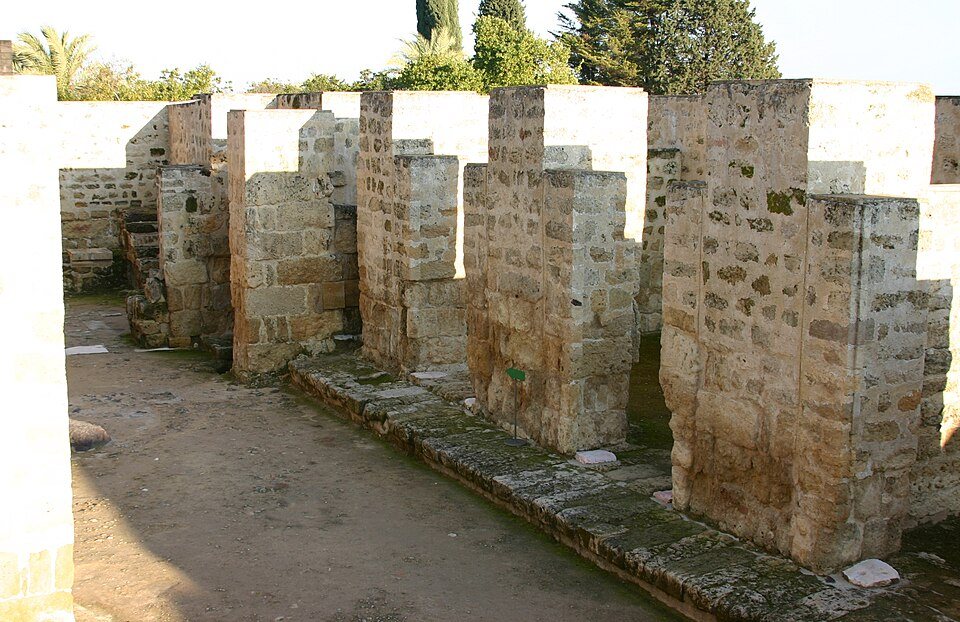
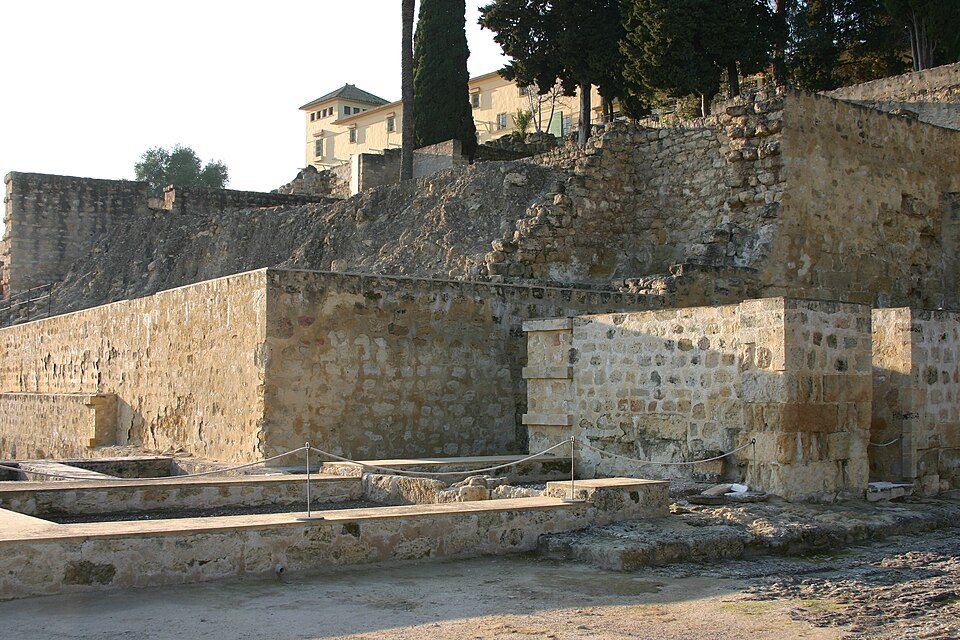
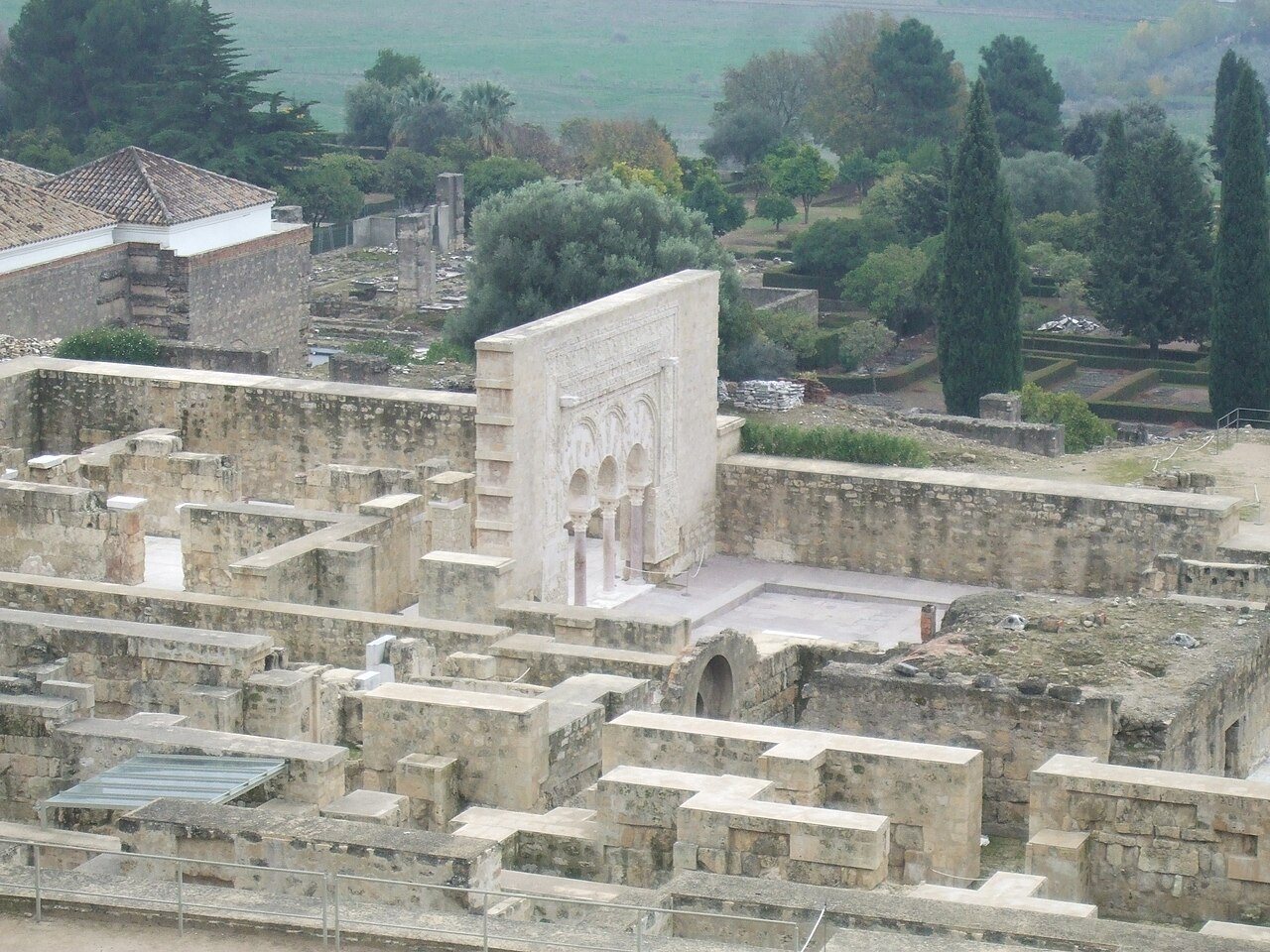
Treat Medina Azahara as most of a morning or afternoon, not a quick add-on between two other sights. Between the connecting shuttle from the museum to the ruins, the walk around the excavated terraces, and the return leg, it eats more time than its modest footprint on a map suggests. Add the museum exhibition itself, which deserves a proper look rather than a dash through, and a round trip from the city — shuttle, museum, site, and return — realistically fills a half-day. Rushing it defeats the purpose: much of what makes the site worth the trip is the setting, terraced into a hillside overlooking the Guadalquivir valley, and that's not something you take in at speed.
⭐ If you're building a full day in Córdoba around it, pair Medina Azahara with a slower morning rather than cramming it alongside the Mezquita-Catedral and the Judería on the same day. See itineraries for how other visitors have split the two halves of a Córdoba stay, and day trips for how Medina Azahara compares to other excursions outside the city. For background on what you'll actually be looking at once you're up on that hillside, Al-Andalus covers the caliphate that built it.
In pictures