By early afternoon in July, the stone in Córdoba's old quarter holds heat the way a skillet does. Nobody with sense wants a bowl of hot soup, a plate of stewed meat, or anything that arrives steaming. The city's answer, developed over centuries rather than invented for tourists, is to serve a surprising share of its food cold or at room temperature. The dish that explains this best, and the one worth getting right, is salmorejo.
What salmorejo actually is
Salmorejo is thick, orange-pink, and served chilled in a bowl, usually topped with chopped hard-boiled egg and flecks of cured ham. Visitors who know gazpacho often assume salmorejo is a thicker version of the same thing, and order it expecting a vegetable soup. That's the main mistake: salmorejo has far less water content. It's built from ripe tomatoes blended with bread, olive oil, garlic, and a little vinegar, then pushed through a sieve until it's smooth enough to coat a spoon. The bread is what separates it from gazpacho — it's there in real quantity, not as a garnish, and it's what gives the dish its body and its ability to double as a meal rather than a starter.
Texture is the test of a good one. It should hold a shape briefly when you tip the bowl, somewhere between a thick soup and a dip. A version that pours like juice has been cut with too much water, often to stretch it further; a version that sits like hummus has gone too far the other way with bread. Either extreme suggests a kitchen that isn't making it fresh.
Why so much Córdoba food is served cold
The obvious answer is climate — Córdoba's summers are genuinely punishing, among the hottest of any city in continental Spain, and heavy hot food simply doesn't appeal for several months of the year. But the cold-food habit runs deeper than discomfort avoidance. Andalusia's food culture was shaped over centuries by Roman, Visigothic, and Andalusi kitchens overlapping and borrowing from one another, and cold, bread-thickened purées and vinegared dishes have a long history in Mediterranean cooking generally, as a way of using up stale bread and surplus vegetables without lighting a fire in a hot kitchen. Olive oil, which Córdoba's countryside produces in enormous volume, works as well cold as hot, which freed cooks from needing to cook it at all.
There's also a practical, pre-refrigeration logic to it. A thick, oil-sealed purée like salmorejo keeps reasonably well without spoiling as fast as a brothy soup would in the heat, and it travels well — field workers could carry it to eat at midday without needing to reheat anything. Cold food, in other words, wasn't originally a refreshment choice so much as a response to climate and kitchen logistics, and the taste for it simply stuck once refrigeration made it easy.
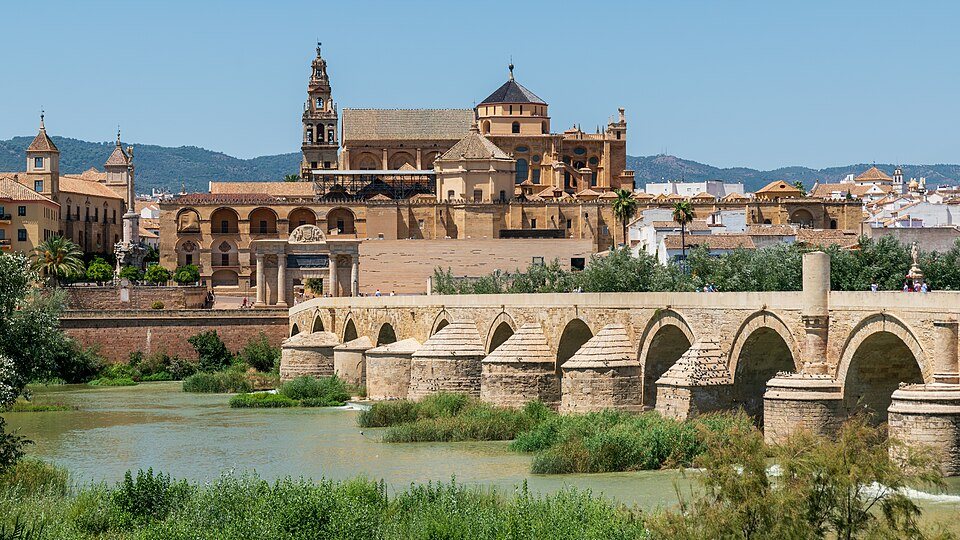
⭐ If you're building a day around the Mezquita-Catedral or wandering the Judería in summer, eat your main meal in the early afternoon lull rather than pushing through the heat to dinner — it's when kitchens are busiest and coldest dishes are freshest, and it matches how locals actually eat.
Where to try it, and how to order well
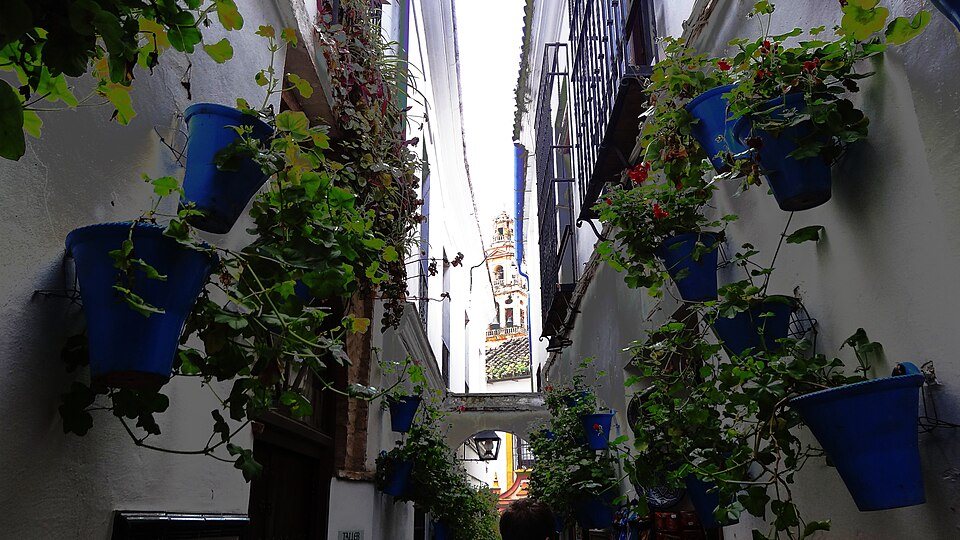
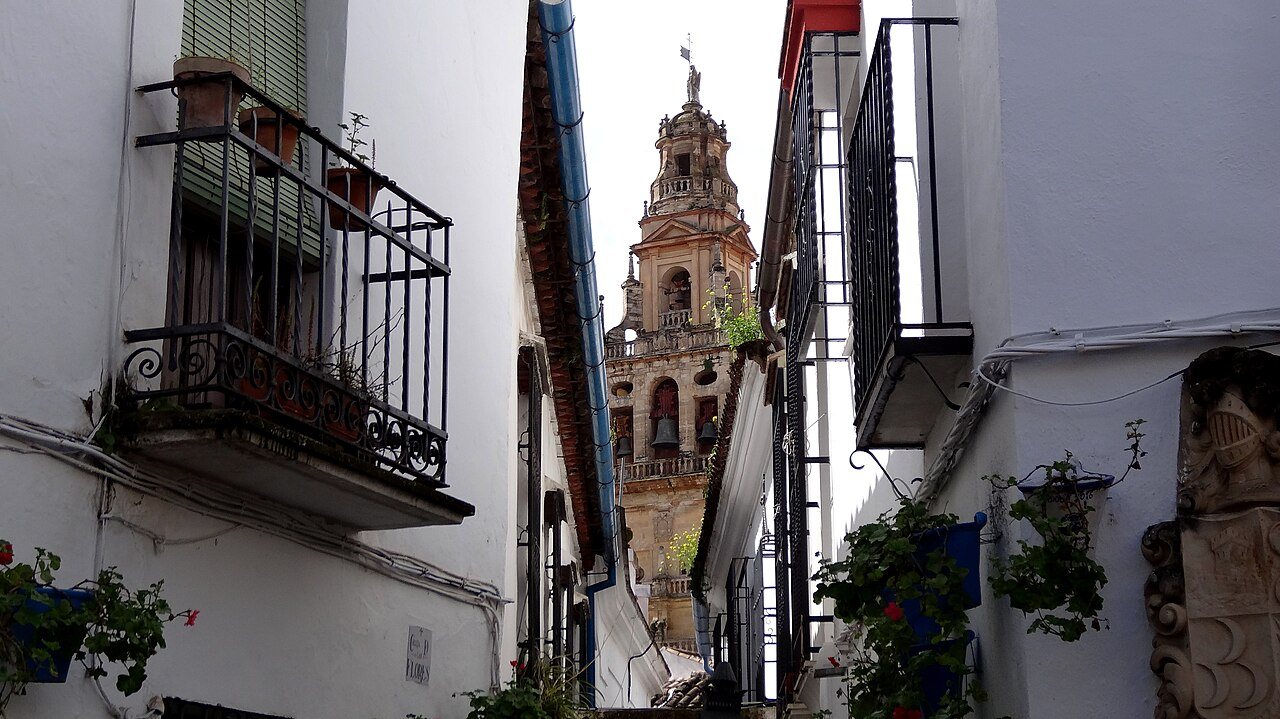
Salmorejo appears on nearly every menu in the old town, from tapas bars tucked off the Calleja de las Flores to the stalls inside Mercado Victoria, where several vendors sell it by the cup as a quick, walk-around snack. That market setting is actually a good way to compare versions quickly, since you can taste from two or three stalls in the time it would take to sit down at one restaurant.
A few things to look for: ask whether it's made in-house that day, since the dish doesn't improve with age and a tired batch separates and turns watery at the edges. The egg and ham topping should be added at the last moment, not stirred in ahead of time, so the textures stay distinct — a spoonful should give you the cool purée, then a bit of crumbled yolk, then a short pop of salt from the ham, rather than everything blended into one pink mush. Bread on the side is traditional for scooping, though it's entirely acceptable to just drink the last of it from the bowl.
⚠️ Portion sizes vary a lot between a tapa-sized cup and a full starter bowl, and menus don't always make this obvious — if you're ordering salmorejo alongside several other tapas, the smaller size is usually plenty, and ordering the large one leaves no room for anything else.
The rest of Córdoba's cold table
Salmorejo isn't the only cold dish worth seeking out, just the most famous one. Gazpacho itself is everywhere too, thinner and more vegetal, served as a drink as much as a soup in the hottest weeks. Ajoblanco, a paler, almond-and-garlic cousin of both, shows up less often on tourist-facing menus but is worth asking for if you see it — it's sharper and more savory, often served with a few grapes or melon on top for contrast. Flamenquín, by contrast, is served hot and fried, a reminder that the cold-food habit is seasonal and situational rather than a blanket rule; nobody in Córdoba thinks everything should be cold, only that the right things should be.
Montilla-Moriles, the local wine region just south of the city, produces a fino-style wine that's traditionally served chilled alongside these dishes, and it's a better match for salmorejo than the Rioja reds that often get poured for tourists by default — worth asking for by name if a menu doesn't list it clearly.
If you're planning meals around sightseeing, it's worth treating food stops as part of the itinerary rather than an afterthought: see the itineraries guide for how to pace a day between monuments and markets, and the broader food and drink section for what else to look for on a Córdoba menu beyond the cold classics. For a day trip south into wine country, the Montilla-Moriles bodegas are an easy add-on and covered under day trips.
In pictures