Ask for a glass of "fino" in a bar in the old quarter near the Judería and there's a decent chance it didn't come from Jerez. It came from about 25 miles south of the city, from the rolling chalk hills around the towns of Montilla and Moriles, where a wine region with its own name, its own grape, and its own stubborn logic has been doing something similar to sherry — sometimes better, almost always cheaper — for centuries without much interest in being famous for it.
Montilla-Moriles is the Denominación de Origen that covers this patch of southern Córdoba province. It gets lumped in with sherry constantly, which annoys people here, because the process has a genuine difference at its core: most Montilla-Moriles wine doesn't need to be fortified with added spirit to reach the strength it's sold at. The grapes get there on their own.
A grape built for the heat
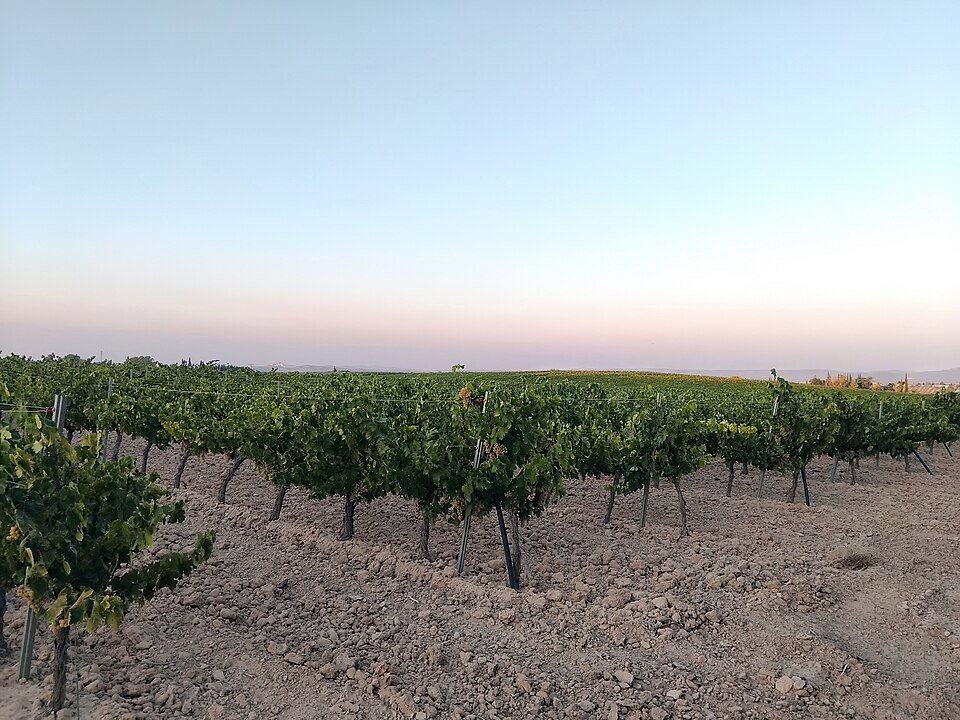
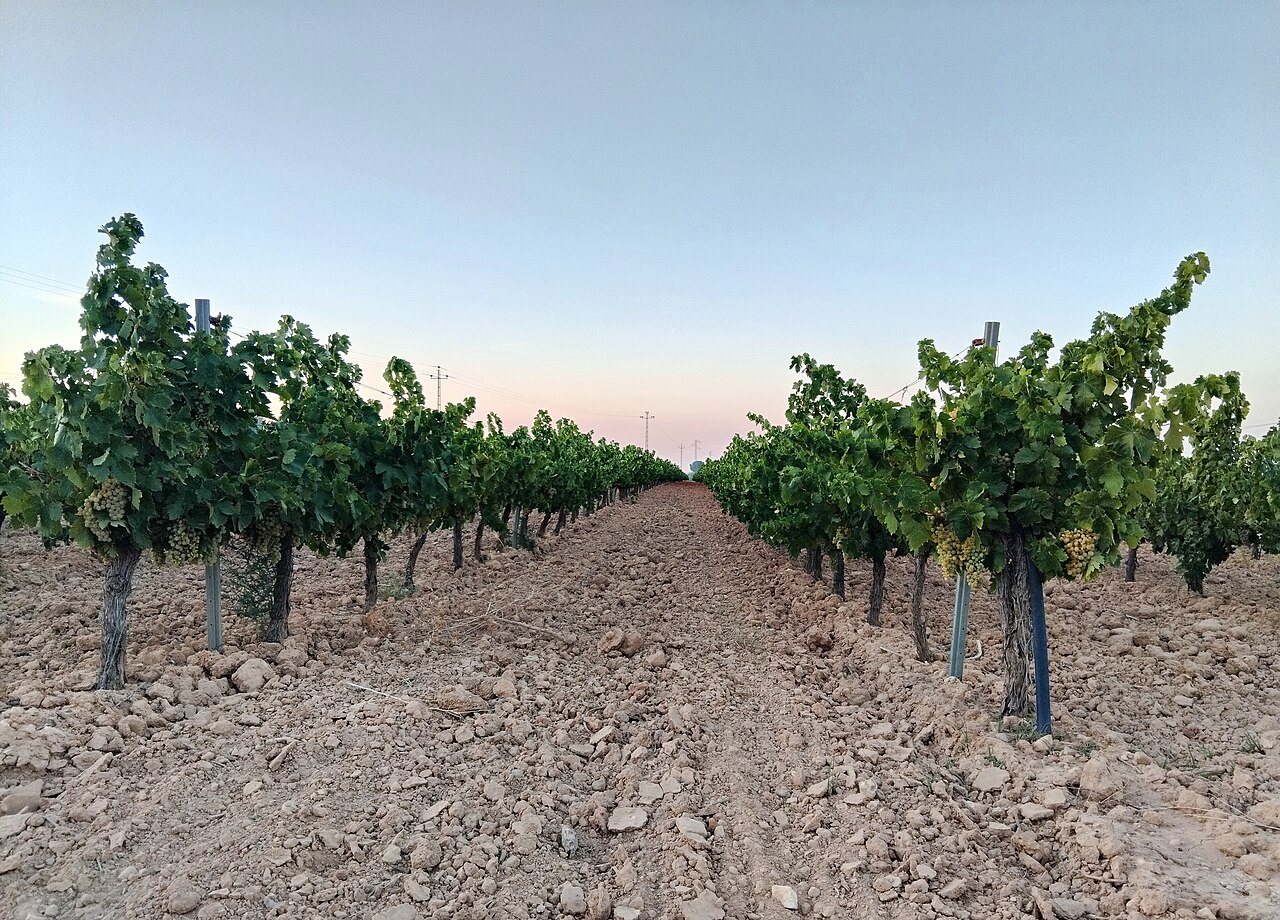
The reason is Pedro Ximénez, locally just "PX," grown on pale, chalky albariza soil that reflects sunlight back up at the vines and holds moisture underground through brutally dry summers. Left on the vine in this heat, the grape accumulates enormous amounts of sugar. Fermented fully dry, the resulting wine often lands naturally in the range sherry only reaches by adding grape spirit. Some producers still fortify certain styles, especially for export consistency, but the baseline process here doesn't require it, and that's the detail that gets lost whenever someone describes this as "Córdoba's sherry."
The other local habit, increasingly rare but not extinct, is aging in tinajas — tall, egg-shaped clay vessels sunk partly into cellar floors, a technique with roots that go back to Roman winemaking in this same province. Most houses switched to American oak botas generations ago for the same reasons sherry houses did: easier to manage, easier to blend from. A handful keep tinajas going for at least part of the process, partly out of practicality — the clay holds a stable temperature — and partly because nobody wants to be the generation that let the old vessels go unused.
The styles, and why they're all served cold
Under the Montilla-Moriles system, wine develops under a layer of flor — a native yeast that forms a film across the surface of the wine in barrel — or it doesn't, and that fork decides almost everything about what ends up in the glass.
- Fino ages under flor and comes out pale, dry, and sharp, with a slight almond edge. It's the one locals actually drink chilled by the glass with olives or jamón, and it does not keep well once opened — buy or order it with that in mind.
- Amontillado starts under flor, then the yeast layer dies off and the wine finishes oxidizing in contact with air, turning amber and nuttier.
- Oloroso skips the flor stage entirely, oxidizing from the start into something darker, heavier, and higher in alcohol.
- Palo Cortado is the odd one — structured like an oloroso but with some of fino's aromatic lift, and genuinely rare even within the region.
- Pedro Ximénez dulce is the sweet, almost black dessert wine made from sun-dried grapes, thick enough to pour over vanilla ice cream, which is exactly what it's for.
- Cream styles blend sweet and dry wines for an export market that likes its sherry-adjacent wine softened up.
⭐ Fino and amontillado are meant to be served properly cold, not just cellar-cool — if a bar brings yours at room temperature, it's fair to ask for it chilled. ⚠️ Fino oxidizes fast once the bottle is open; a bar that's been slow that week is not the place for it. A PX dessert wine, by contrast, keeps for ages and is a safe souvenir bottle.
Where it's actually made
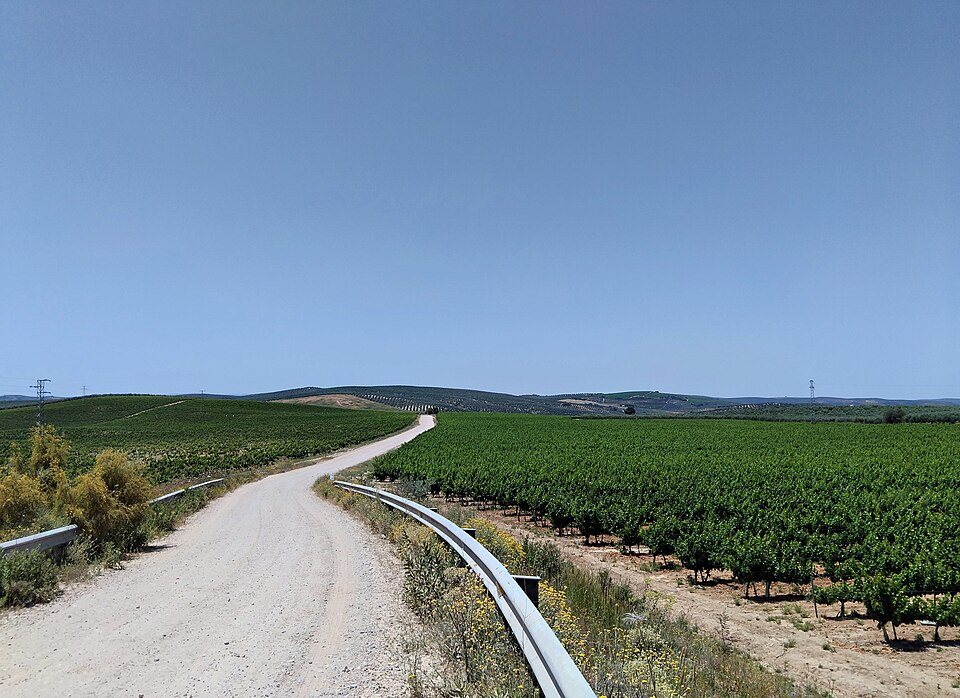
The towns worth knowing by name are Montilla itself, Moriles, Lucena, Aguilar de la Frontera, and Puente Genil, strung along roads south of the city through vineyards that look deceptively plain — low bush vines on bright white soil, nothing like the manicured rows people picture from other wine regions. Montilla has the oldest houses, some dating back to the 18th century, with cellars built around central courtyards in the same architectural instinct as the city's patios.
Several bodegas run cellar visits that walk through the solera system — the stacked rows of barrels where older wine is continually topped up with younger wine, so no single bottle is ever "one vintage" — and finish with a tasting. Specifics on which bodegas are taking visitors, how tours are booked, and what each one includes change often enough that it's worth checking directly with the bodega or a local operator rather than relying on anything printed. A day down in Montilla pairs naturally with a longer loop through the province; see day trips for how that fits around a Córdoba visit, and getting around for the practical side of reaching the wine towns without a rental car.
Drinking it in the city itself
You don't have to leave Córdoba to taste any of this. Traditional bars across the center pour Montilla-Moriles wines as the default, not the alternative to sherry, and the better tapas counters near the Plaza de la Corredera and around the Mezquita-Catedral will have at least a fino and a PX on the list even if neither is written down. Mercado Victoria has stalls built specifically around local wine flights if you want to taste several styles side by side without committing to a full bottle at each stop.
The classic local pairing is simple and worth doing in order: a chilled fino with olives or a plate of salmorejo to start, something savory and fried in the middle, and a small glass of PX dulce poured straight over soft cheese or ice cream to finish. It's not a refined pairing exercise — it's closer to how people here have been eating and drinking through an afternoon for a long time, and it holds up.
⚠️ One mistake visitors make constantly: ordering "sherry" by that name in a Córdoba bar gets you a blank look or a shrug toward the Jerez bottle kept mostly for tourists. Ask for Montilla-Moriles, or just ask what's local, and the better pour tends to show up instead.
In pictures